

What Is a Class F Fire?
Did you know that cooking oil and fat fires are among the most dangerous kitchen fire hazards? A Class F fire can spread rapidly and should never be extinguished with water. Learn the causes, risks, prevention tips, and the correct fire extinguishing methods to keep your home or commercial kitchen safe.
✅ Read the complete guide:
https://specialitygeochem....
Visit now and improve your fire safety awareness today!
#ClassFFire #FireSafety #KitchenSafety #CookingOilFire #FirePrevention #FireExtinguisher #SafetyTips
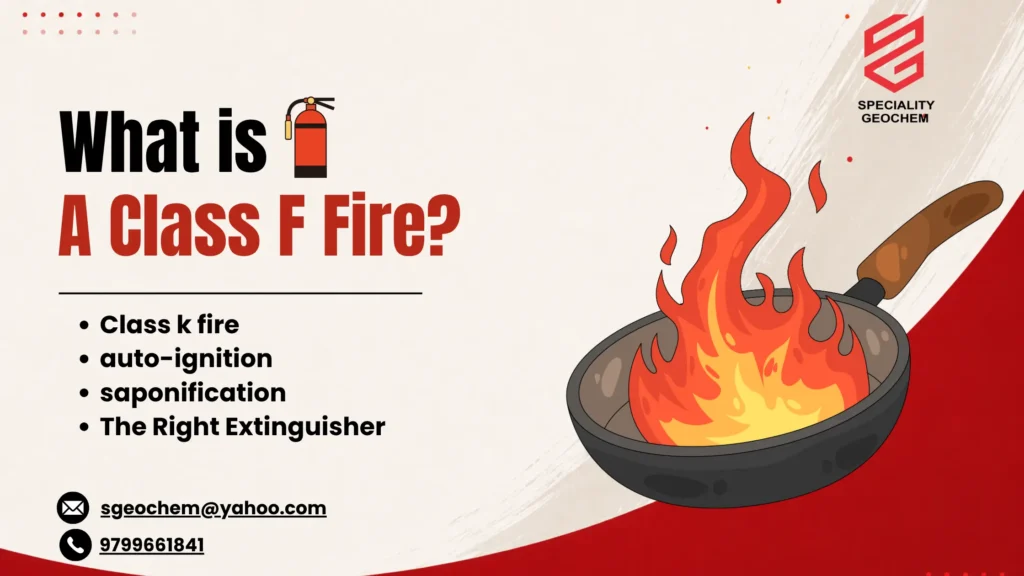
What Is a Class F Fire? Cooking Oil Fires Explained
A class F fire burns cooking oils at 340°C+. Learn auto ignition, why water kills, saponification and the right extinguisher.
https://specialitygeochem.com/what-is-a-class-f-fire/
Fire safety starts with the right protection! Learn about different types of Fire Extinguisher Cylinders, their uses, benefits, maintenance requirements, and how they help protect homes, offices, and industries from fire hazards.
✅ ABC, CO2, Foam, Water & Wet Chemical Extinguishers
✅ Fire Safety Tips
✅ Industry Applications
✅ Maintenance Guidelines
Read the complete guide here:
https://specialitygeochem....
#FireExtinguisher #FireSafety #FireProtection #IndustrialSafety #FirePrevention #SafetyEquipment
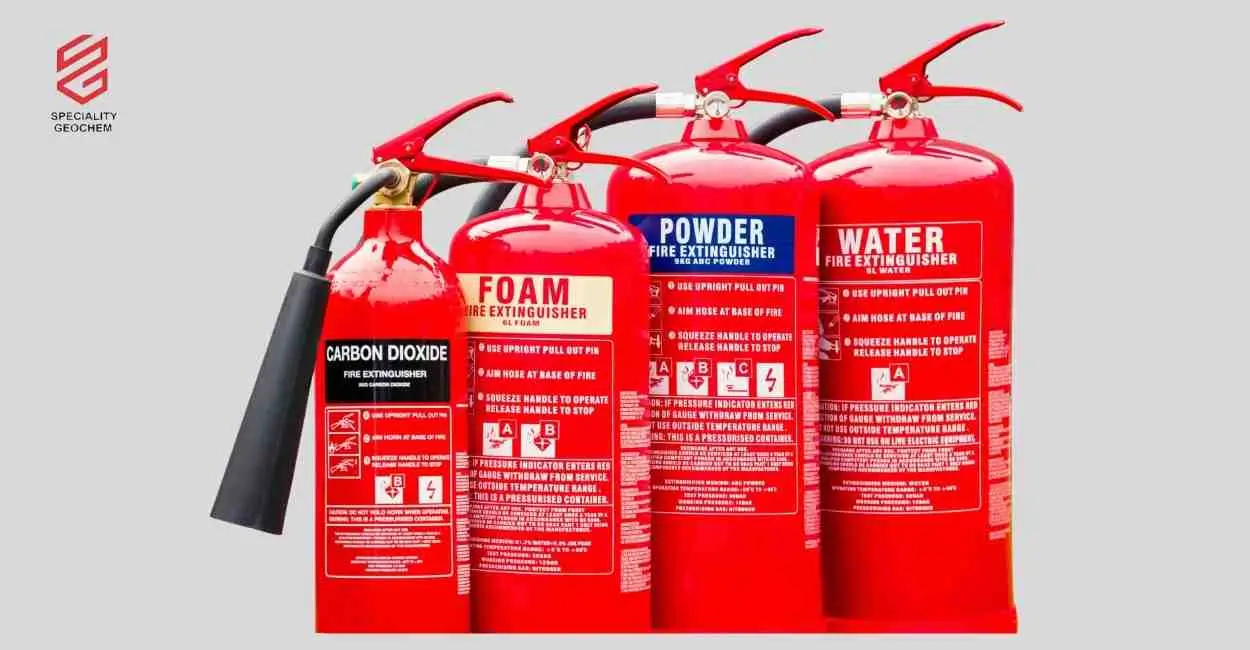
Fire Extinguisher Cylinders: Benefits, Types & Usage Guide
Discover the benefits, types, usage tips, and FAQs about fire extinguisher cylinders in India. Stay fire-safe with expert guidance.
https://specialitygeochem.com/fire-extinguisher-cylinders-usage-guide-india/
Electrical fires can start without warning and cause serious damage to lives, property, and critical equipment.
Do you know what a Class E Fire is and how to handle it safely?
Learn about the causes of electrical fires, prevention tips, and the right fire extinguishers to use during an emergency.
Stay informed. Stay protected.
Read the complete guide:
https://specialitygeochem....
#ClassEFire #ElectricalFire #FireSafety #FirePrevention #ElectricalSafety #FireExtinguisher #workplacesafety
What Is a Class C Fire?
Class C fires involve energized electrical equipment such as wiring, appliances, circuit breakers, and electrical panels. Using the wrong extinguishing method can increase the danger.
Learn what causes Class C fires, how to prevent them, and the best ways to extinguish them safely.
Read More: https://specialitygeochem....
#ClassCFire #ElectricalFire #FireSafety #FirePrevention #FireProtection #FireExtinguisher #SafetyTips
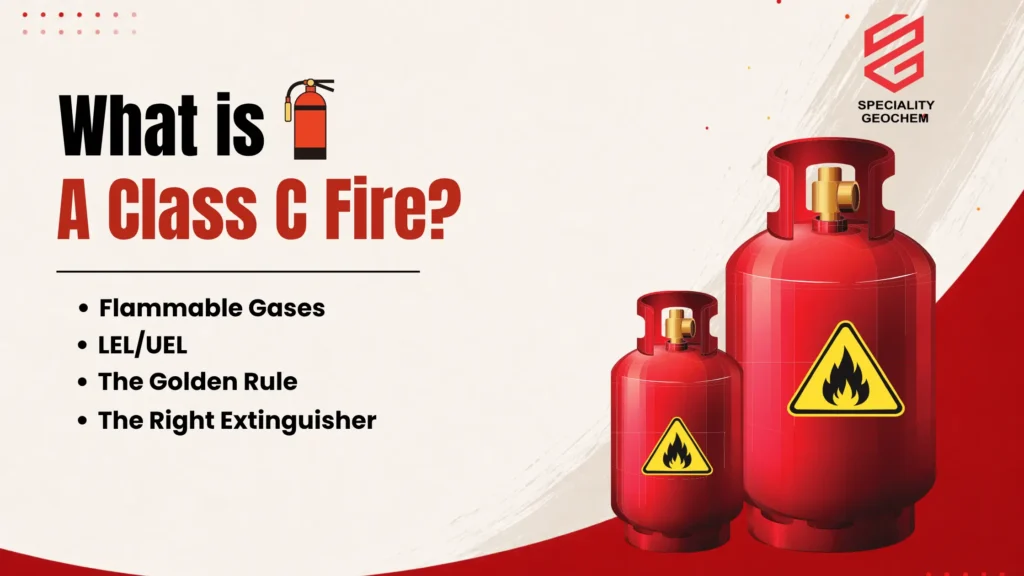
What is a class C fire? flammable gases, LEL/UEL, the golden rule and the right extinguisher - Speciality Geochem
Quick answer: A class C fire is a fire fuelled by flammable gases including LPG, CNG, natural gas, propane, butane, hydrogen, and acetylene. The fire burns at
https://specialitygeochem.com/what-is-a-class-c-fire/
Do you know what causes a Class B Fire? Flammable liquids like petrol, diesel, paint, oil, and chemicals can create serious fire hazards in homes, industries, and workplaces. Learn about Class B fire risks, prevention methods, and the best fire safety solutions with Speciality Geochem. Stay protected with advanced fire protection systems and emergency preparedness tips.
👉 https://specialitygeochem....
#ClassBFire #FireSafety #FireProtection #IndustrialSafety #FirePrevention #SpecialityGeochem
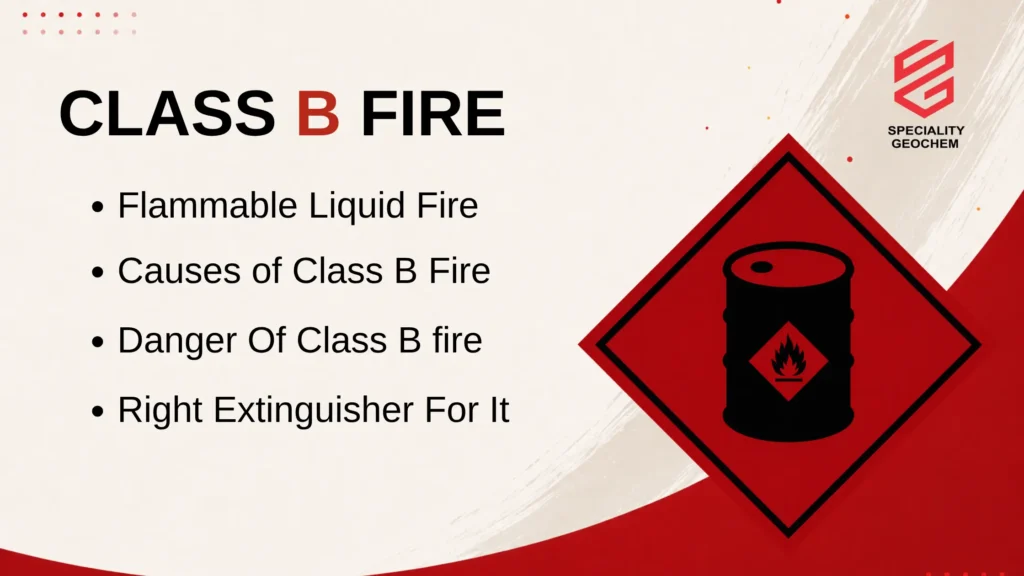
What Is a Class B Fire? Causes, Risks & Extinguishers
Learn what a Class B fire is, what causes flammable liquid fires, why water makes them worse, and the right extinguisher to use.
https://specialitygeochem.com/what-is-a-class-b-fire/Who to follow